
Understanding Your Vehicle Suspension System
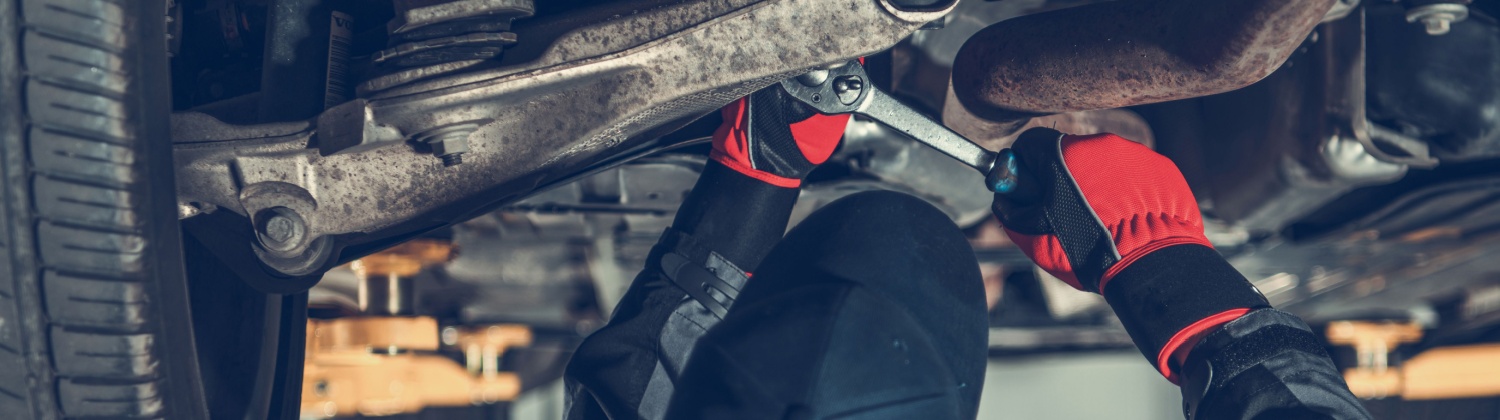
When it comes to your vehicle’s performance and safety, the suspension system plays a key role. At Precision Automotive in Orleans, ON, we understand how each component of your vehicle suspension works together to keep you safe, comfortable, and in control—especially on unpredictable Ontario roads.
In this blog, we’ll walk you through what the car suspension system is, the different types of suspension, common components like shock absorbers, coil springs, ball joints, and control arms, and why maintaining your suspension is vital.
What Is A Vehicle Suspension System?
Your vehicle’s suspension system is the setup that connects your car to its wheels. Its main job is to absorb the bumps and shakes from the road surface, keeping the tires in contact with the road and allowing for a smooth ride. It also helps your vehicle minimize body roll while turning and maintain stability while accelerating or braking.
A healthy suspension system ensures that the tire and the road stay in consistent contact, which is essential for steering, handling, and braking.
Key Suspension Components You Should Know
The suspension parts in your vehicle work together to give you comfort and control. Here are some of the most common and important ones:
- Shock Absorber: This helps absorb the energy from road bumps and keeps your car from bouncing excessively.
- Coil Springs: These are tightly wound metal springs that support the weight of the car and absorb energy.
- Control Arms: These connect the wheel hub to the vehicle’s frame and allow for up and down movement.
- Ball Joints: These act like the ball-and-socket joint in your shoulder, allowing movement and flexibility in the suspension.
- Sway Bars: These help stabilize your vehicle and reduce body roll during turns.
Each part plays a role in keeping your car stable and ensuring the tires maintain contact with the road.
Different Types Of Car Suspension Systems
There isn’t just one type of suspension used in all vehicles. Different cars use different systems depending on their design and purpose.
1. MacPherson Struts
This is one of the most common front suspension designs. It combines the shock absorber and coil spring into one compact unit. It’s cost-effective and ideal for most everyday vehicles.
2. Double Wishbone Suspension
This uses two control arms (upper and lower) that look like wishbones. It provides better handling and is often found in sports cars or performance vehicles.
3. Multi-Link Suspension
This setup uses several arms and ball joints to give better control over wheel motion. It’s more complex and provides a smoother ride, especially for luxury cars.
4. Leaf Springs
Often found in older vehicles and trucks, leaf springs are long, curved metal strips that stack together to provide support and absorb shocks.
Front Suspension Vs. Rear Suspension
Your vehicle has two sets of suspension systems—front and rear—and they can be very different.
- Front Suspension: Usually contains MacPherson struts or double wishbone suspension setups. These systems manage the steering and absorb front-end impacts.
- Rear Suspension: May use leaf springs, coil springs, or multi-link suspension, depending on the type of vehicle. Rear setups are crucial for managing weight and maintaining a steady grip from the rear wheels.
Why Suspension Matters For Your Safety
The car suspension system does much more than keep your ride smooth—it’s a key part of your vehicle’s safety. If your suspension isn’t working properly, you may experience:
- Difficulty steering or turning
- Uneven tire wear
- Excessive bouncing after hitting a bump
- The vehicle pulling to one side
Without a well-functioning suspension system, your car may lose contact with the road, making it harder to stop or steer quickly in emergencies.
Common Suspension Issues To Watch For
At Precision Automotive in Orleans, ON, we often see a few common suspension problems. Here’s what to look for:
- Worn Shock Absorbers: If your car bounces too much, it may be time to replace these.
- Broken Coil Springs: A broken spring can lower one corner of your car and affect handling.
- Damaged Control Arms or Ball Joints: These can cause clunking noises, loose steering, and uneven tire wear.
- Sagging Leaf Springs: Trucks with heavy use may see their rear leaf springs wear out, causing a sagging rear end.
How We Help At Precision Automotive
Our experienced technicians at Precision Automotive are trained to inspect and repair all types of suspension parts. Whether your car uses double wishbone, multi-link, or MacPherson struts, we’ll identify the issue and get you back on the road safely. Here’s what a typical suspension inspection might include:
- Visual check of shocks, struts, and springs
- Checking ball joints and control arms for wear
- Inspecting wheel hubs and alignment
- Ensuring sway bars and bushings are intact
- Confirming tires contact the road properly
We make sure your car handles well, brakes efficiently, and provides a smooth, stable ride—no matter the condition of the road surface.
When Should You Get Your Suspension Checked?
It’s a good idea to have your vehicle suspension inspected once a year or if you notice:
- A rough or bouncy ride
- Noise when going over bumps
- The car leaning or dipping during turns
- Uneven or rapid tire wear
Regular maintenance helps extend the life of your vehicle and saves time and money by catching problems early.
Final Thoughts: Don’t Ignore Your Suspension
Your car’s suspension isn’t just about comfort—it’s about safety, fuel economy, and control. A damaged or worn-out suspension can reduce your fuel efficiency, cause your tires to wear out faster, and make your car harder to control.
At Precision Automotive in Orleans, ON, we’re here to make sure your car suspension system keeps doing its job. If you’ve noticed any signs of wear or just want peace of mind, come in for an inspection.
Your tires’ contact with the road is what keeps you moving safely—and it all depends on a well-maintained suspension system. Book your suspension inspection today at Precision Automotive – where we keep you grounded, balanced, and ready for the road ahead.